In 2015 Kakheti was a regional wine area known mostly to Georgians and a small set of curious international travellers. The cellars accepted visitors politely. The hotels were guesthouses with a few honorable exceptions. The tasting infrastructure was informal. Decanter (decanter.com) and the Wine Enthusiast occasionally mentioned Georgia; the broader international wine press treated the country as a curiosity rather than a destination.
A decade later the picture is different. Kakheti now ranks among the fastest-growing wine destinations in the world. International coverage is consistent. The Decanter World Wine Awards, the IWSC, and Concours Mondial regularly recognise Georgian producers. UNESCO inscribed the qvevri method on its Intangible Cultural Heritage list. The cellar-hotel category has matured. The visitor profile has shifted from regional weekend traffic to international weekly traffic.
This piece is the version of that story you tell a guest deciding whether to book Kakheti or somewhere else.
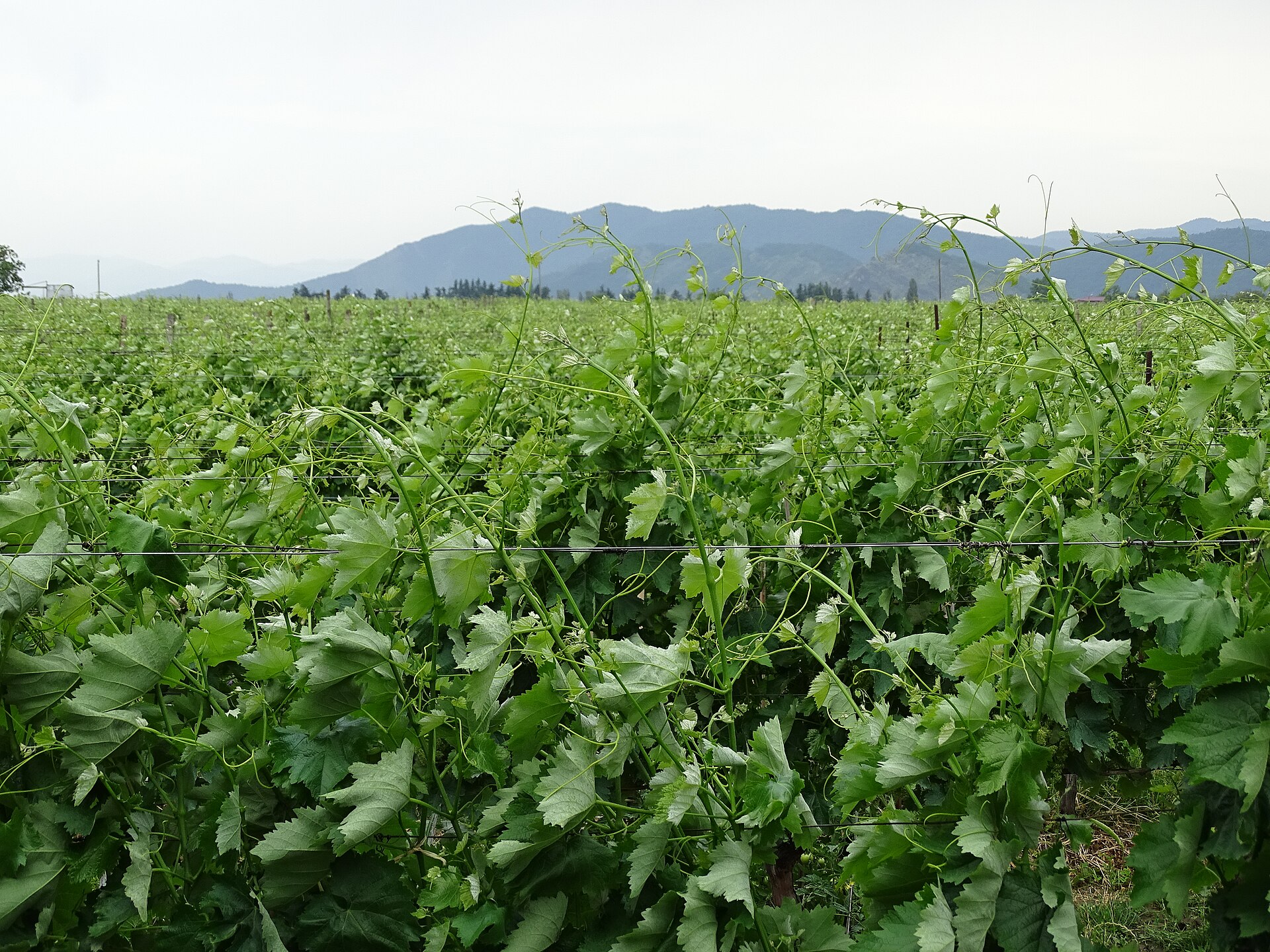
The 8,000-year argument
Wine tourism in Georgia opens with an archaeology claim. Excavations at Shulaveris-Gora, south of Tbilisi, recovered qvevri shards with grape residue dating to roughly 6,000 BCE. UNESCO inscribed the traditional qvevri winemaking method on its Intangible Cultural Heritage list in 2013. The “8,000 years of continuous winemaking” line is the country’s strongest positioning claim, and it is verifiable as far as the archaeological record allows a verifiable claim.
What changed in the last decade is that the international wine market began to treat that claim as a credible reason to add Georgia to its map. The qvevri method became a Decanter category, a panel discussion at Vinexpo, a chapter in serious wine textbooks. The wines themselves started winning medals at scale: hundreds of awards across the major international competitions through 2020-2025.
The archaeology was always there. The recognition is what built the destination.
What the cellar visit actually looks like now
Three categories of cellar experience now run in Kakheti.
The family qvevri cellar. Producers like Pheasant’s Tears, Iago’s Wine, Vinoterra, and the smaller family marani across the Alazani valley. These are the cellars where a guest walks into a working space, meets the producer or family member, tastes from samples, and leaves with bottles. The experience is intellectually rigorous and the wine is the centre.
The professional cellar-hotel. Schuchmann Wines & Spa Hotel, Lopota Lake Resort, Royal Batoni, and a smaller list of similarly-equipped properties. These combine accommodation with cellar tours and structured tastings. The experience is closer to a Bordeaux chateau visit than a Georgian family supra, and the audience is the international traveller who wants comfort certainty alongside the wine. See Telavi as a base, not a stop for the geography of these properties.
The monastery cellar. Alaverdi Monastery is the prominent example. The wines are made by monks; the cellar is part of an 11th-century monastic complex; the visit combines wine, religious architecture, and history. See Alaverdi Monastery cellar: where Georgian wine actually started for the full account.
A guest with two days in Kakheti can comfortably do one of each. A guest with three days can do all three plus a meal-only stop. A guest with four days starts to encounter the upper limit of how much wine experience is enjoyable before the senses dull.
The Decanter shelf
A way to read Georgia’s quiet revolution is to look at the medal count.
The Decanter World Wine Awards, which is the most-cited international competition, has awarded Georgian producers an increasing number of medals each year. The 2024 awards saw multiple Gold and Platinum medals across Georgian entries, including amber wines (qvevri-method whites) and Saperavi-based reds. The IWSC and Concours Mondial have followed parallel paths.
The qualitative shift is more important than the count. The medals are no longer treated as exotic. The wines are judged in the standard amber/orange and varietal categories alongside the rest of the world. The producers exporting now serve restaurants in London, New York, Tokyo, and Hong Kong as a normal part of their distribution.
This recognition feeds back into the destination. A guest who has tried a Georgian amber on a New York wine list arrives in Tbilisi already curious; the cellar visit is a conversion, not an introduction.
What’s driving the visitor profile shift
Three forces.
International flight connectivity. Direct flights from Tel Aviv, Dubai, Doha, Istanbul, several major Indian cities, and key European hubs put Kakheti within a sane travel window for guests who would not have considered it a decade ago. The new airport pipeline (Tbilisi International Airport) and the existing Kutaisi airport between them remove the connectivity friction that used to make Georgia a deliberate-detour destination rather than a default one.
The infrastructure on the ground. The Rikoti tunnel (details here) compressed the Tbilisi-Kakheti-Batumi geography. A wine-and-coast week is now a four-day trip rather than a six-day commitment. Concierges who used to recommend Tuscany-plus-Florence as a parallel combination now place Kakheti-plus-Batumi alongside.
The premium-segment growth. Guests willing to pay $250-500 per night for a cellar-hotel experience were a thin slice of the Georgia visitor base a decade ago. That slice has grown materially. The market for premium cellar-hotel weeks supports the development of properties at that price point, which in turn brings the international audience that fills them.
A cluster a guest can hold
For a concierge sending their first wine-curious client to Kakheti, the basic geography fits on one page.
The Telavi cluster. Schuchmann, Twins (Napareuli), Lopota (Napareuli area), Alaverdi Monastery, Ikalto Monastery. Two to three days fills it comfortably.
The Sighnaghi cluster. Pheasant’s Tears, Bodbe Monastery, the smaller family producers in Bodbiskhevi and the Alazani valley below the town. One to two days.
The Kvareli cluster. Khareba Tunnel, Royal Batoni, the Kvareli lake area. One to two days.
A traveller who wants to do all three needs five days minimum, plus another day to break the wine concentration with a non-wine activity (Mtskheta, Tbilisi, a short Caucasus excursion). See The wine roads of Kakheti for the chauffeur’s itinerary version of this geography.
A closing note from the road
We drive guests to Kakheti more times in a normal week now than in a peak month a decade ago. The vineyards we pass are the same vineyards; the road into them is wider; the cellars accepting our guests are running a more professional welcome than they did even three years ago.
Georgia is growing into the destination it should always have been. If you’re coming for the wine, we’ll drive you. We work with concierges, sommeliers, wine clubs, and direct guests across the Kakheti map and the connecting routes from Tbilisi. Email bookings@soitblack.com to talk about a trip.
Related: The wine roads of Kakheti, Telavi as a base, not a stop, Alaverdi Monastery cellar, and Rtveli in Kakheti.